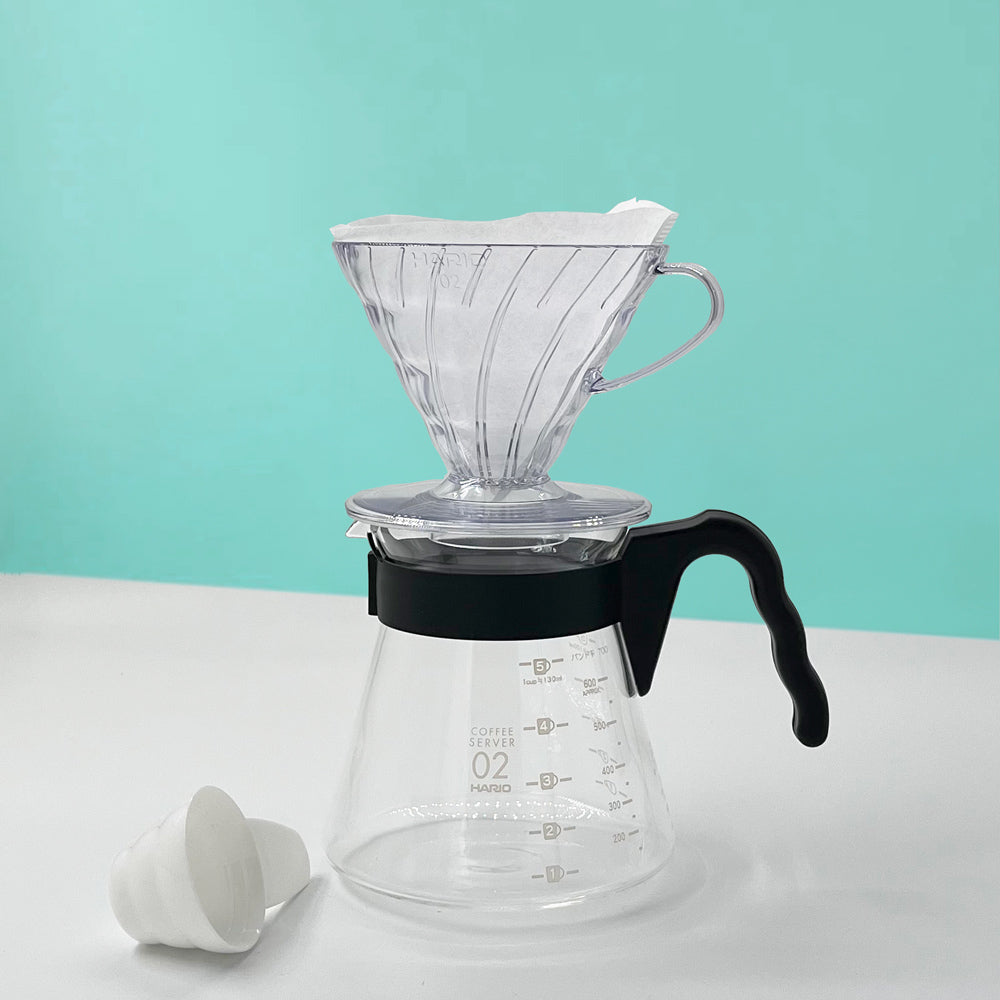
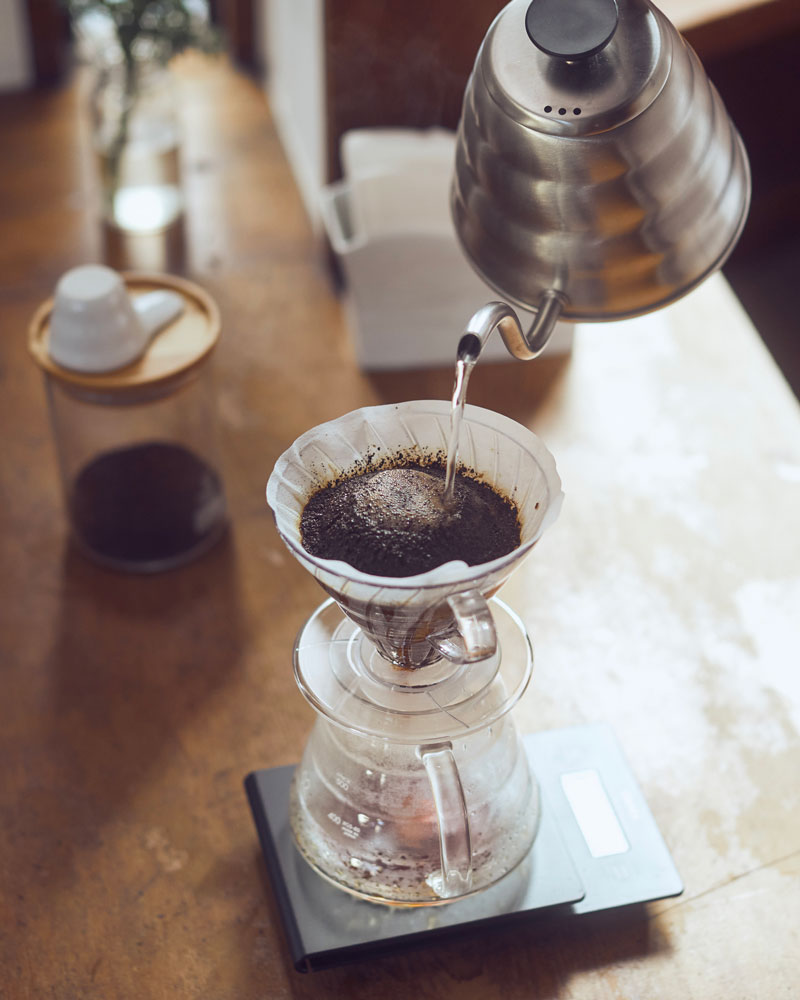
Préparation café méthode douce : cafetière v60 Hario

Never Miss Your V60

Making a great V60 brew comes down to grind size, temperature, and a bit of patience.
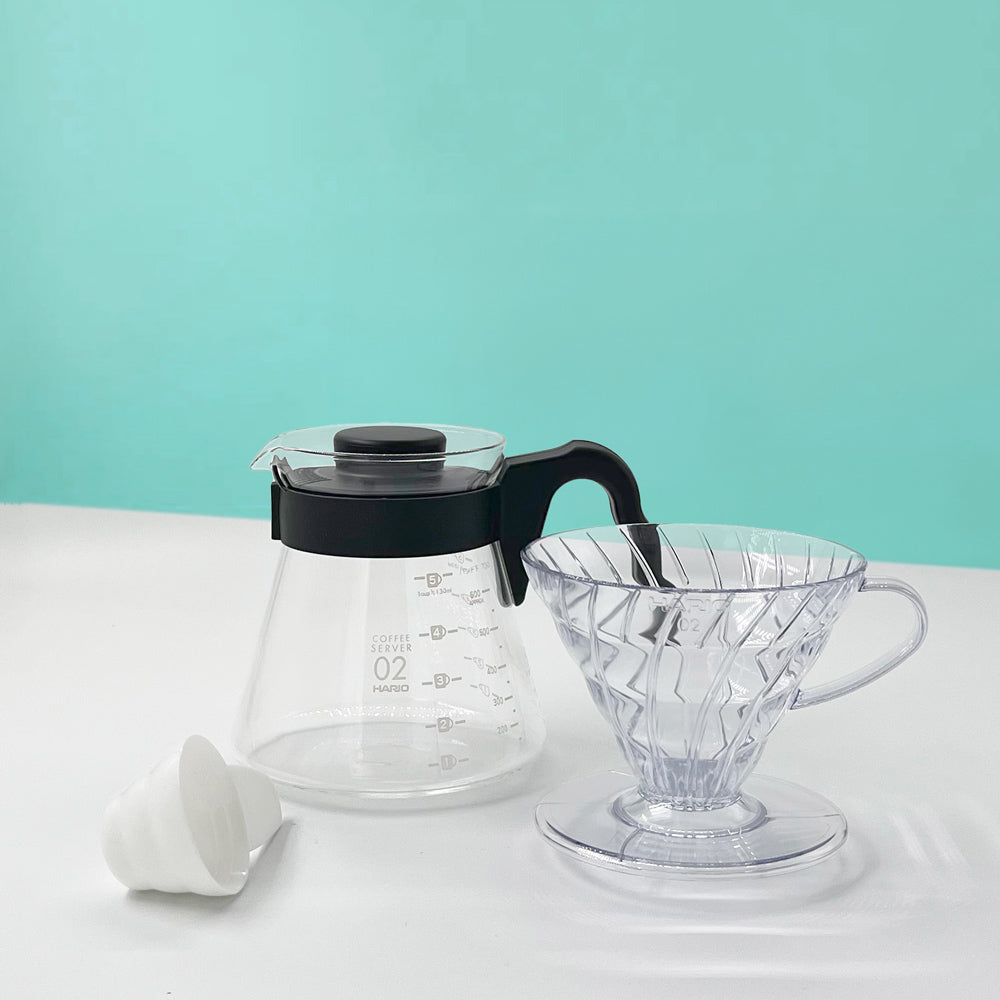
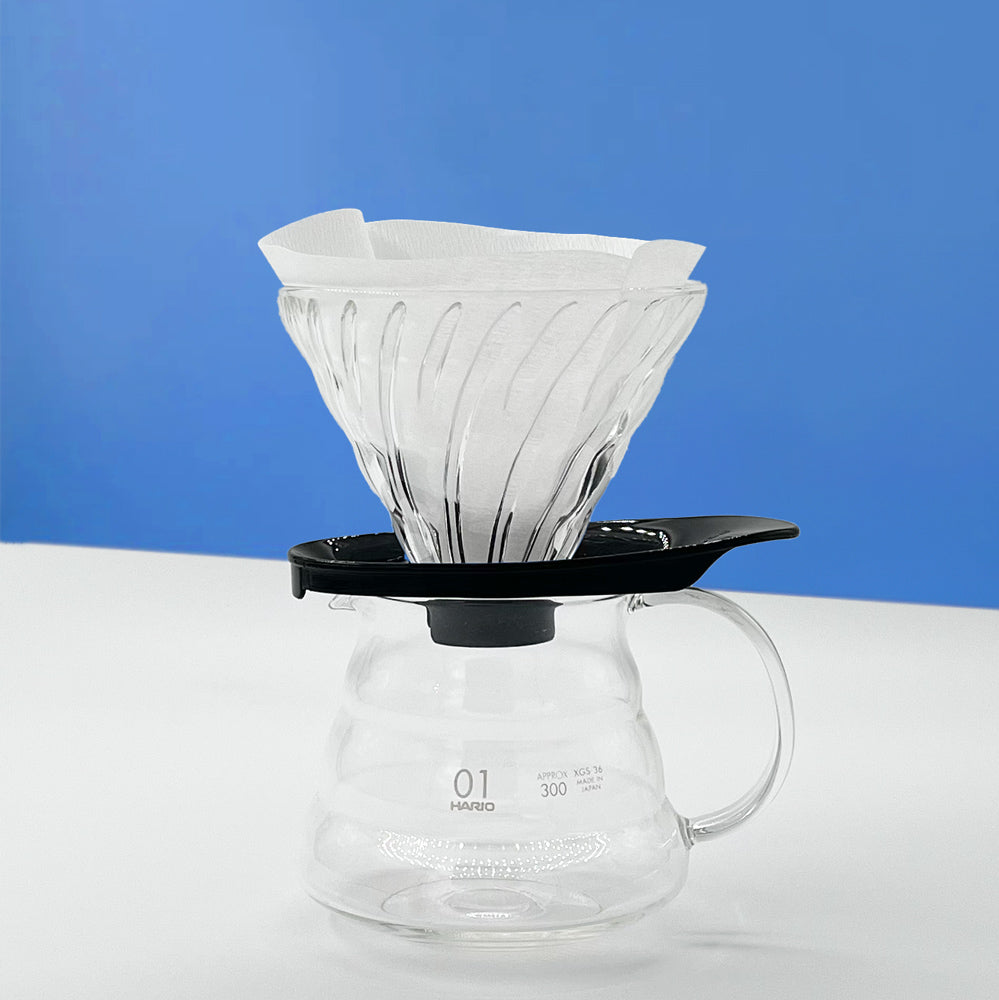
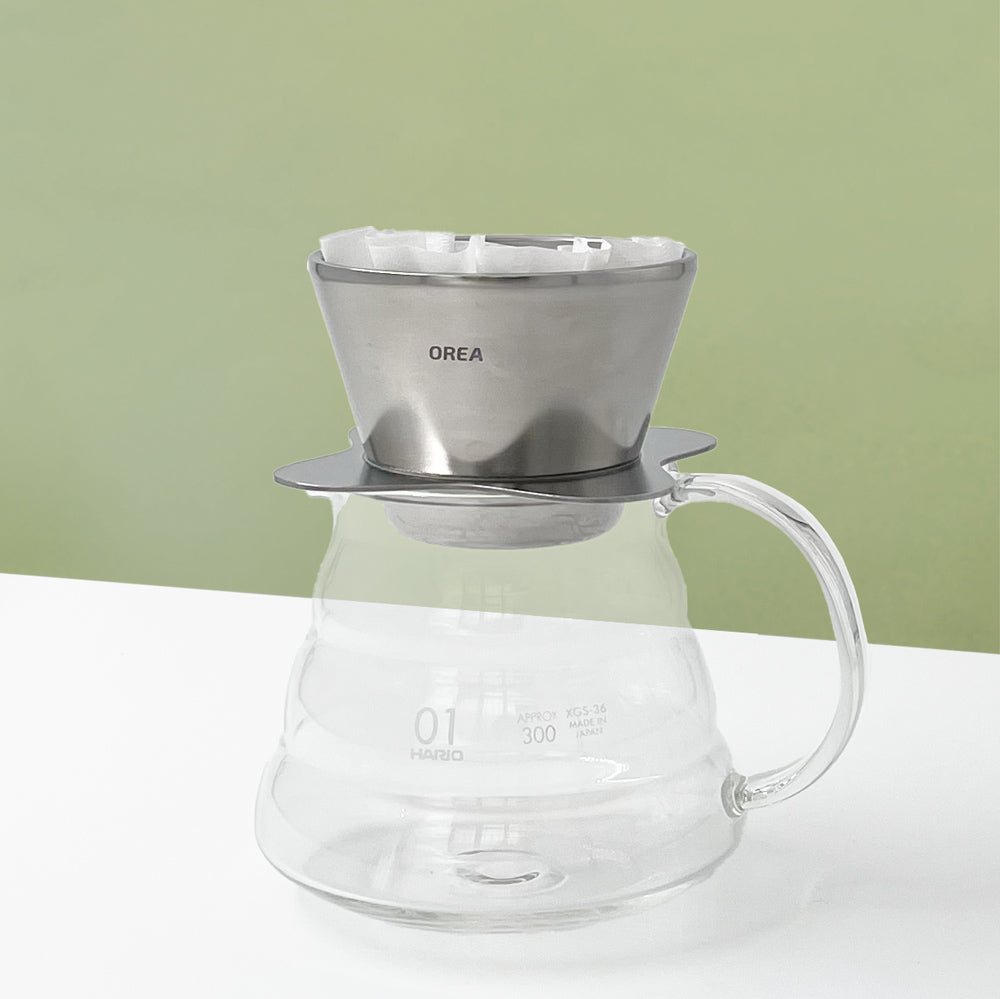
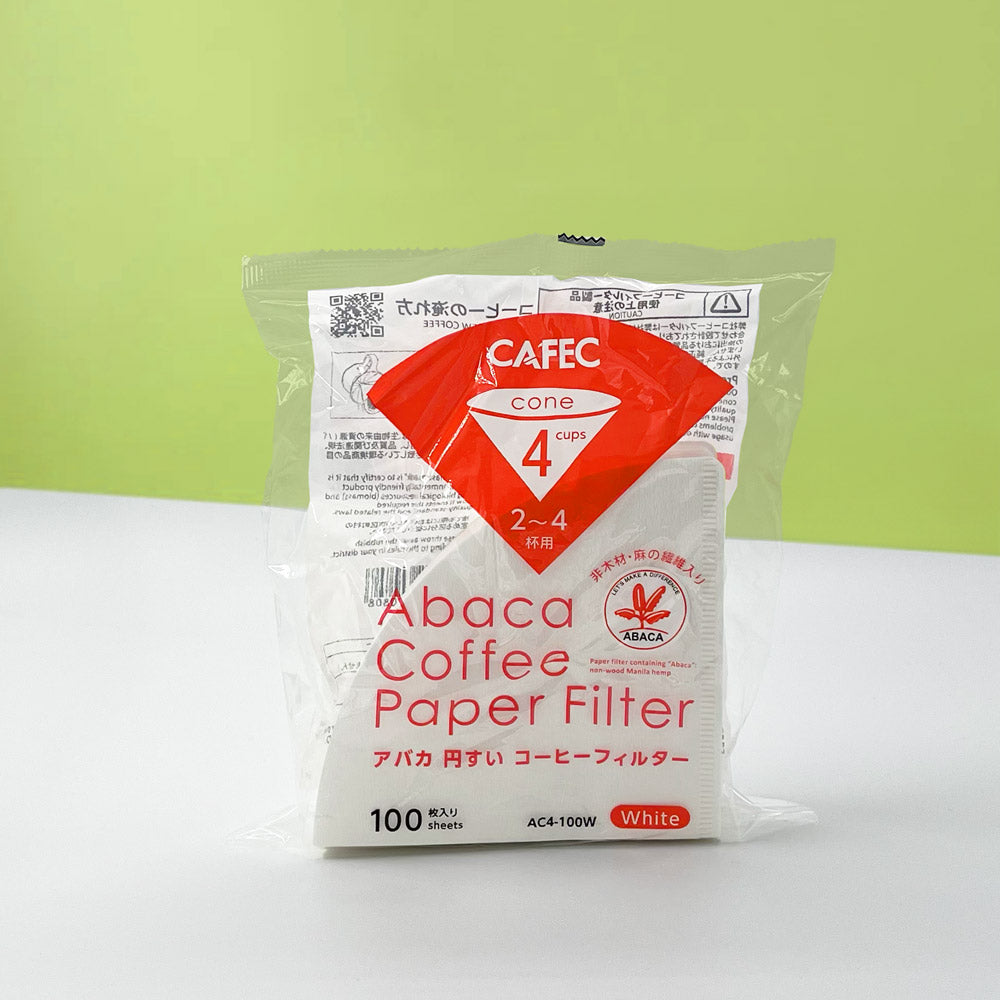
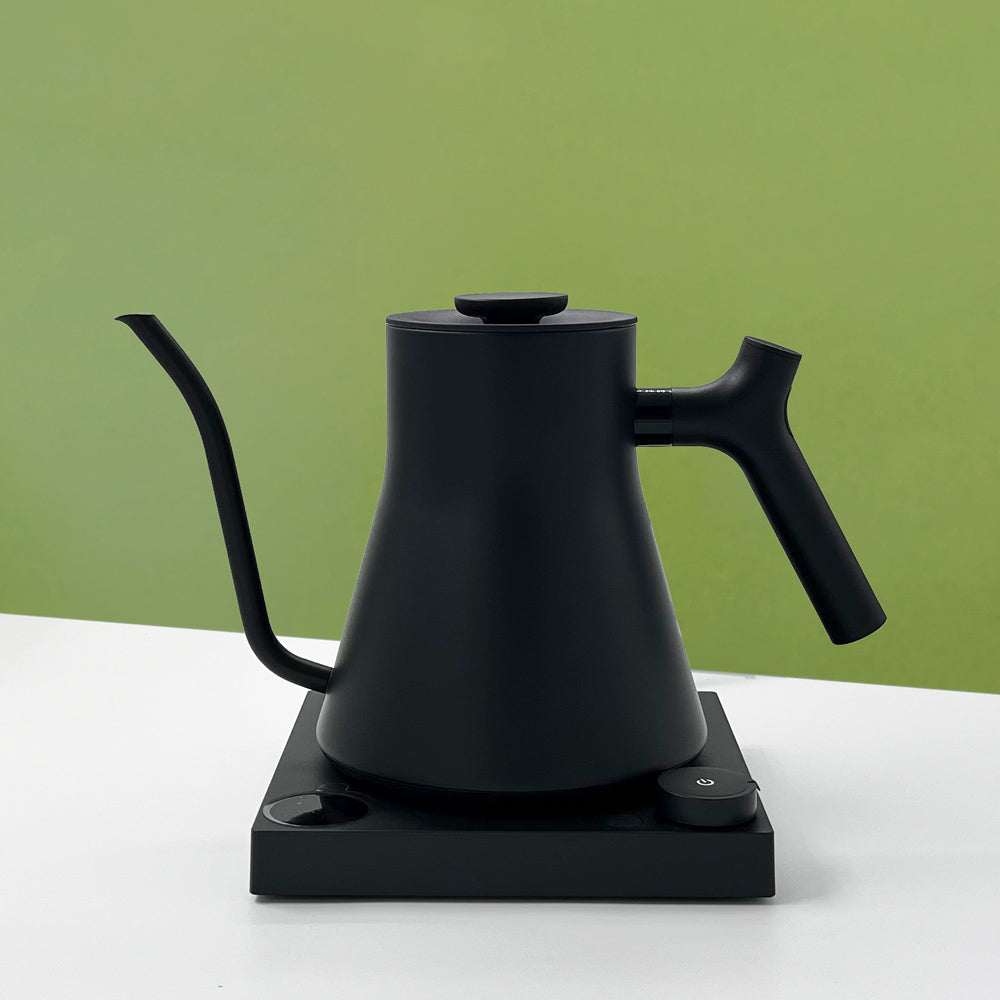
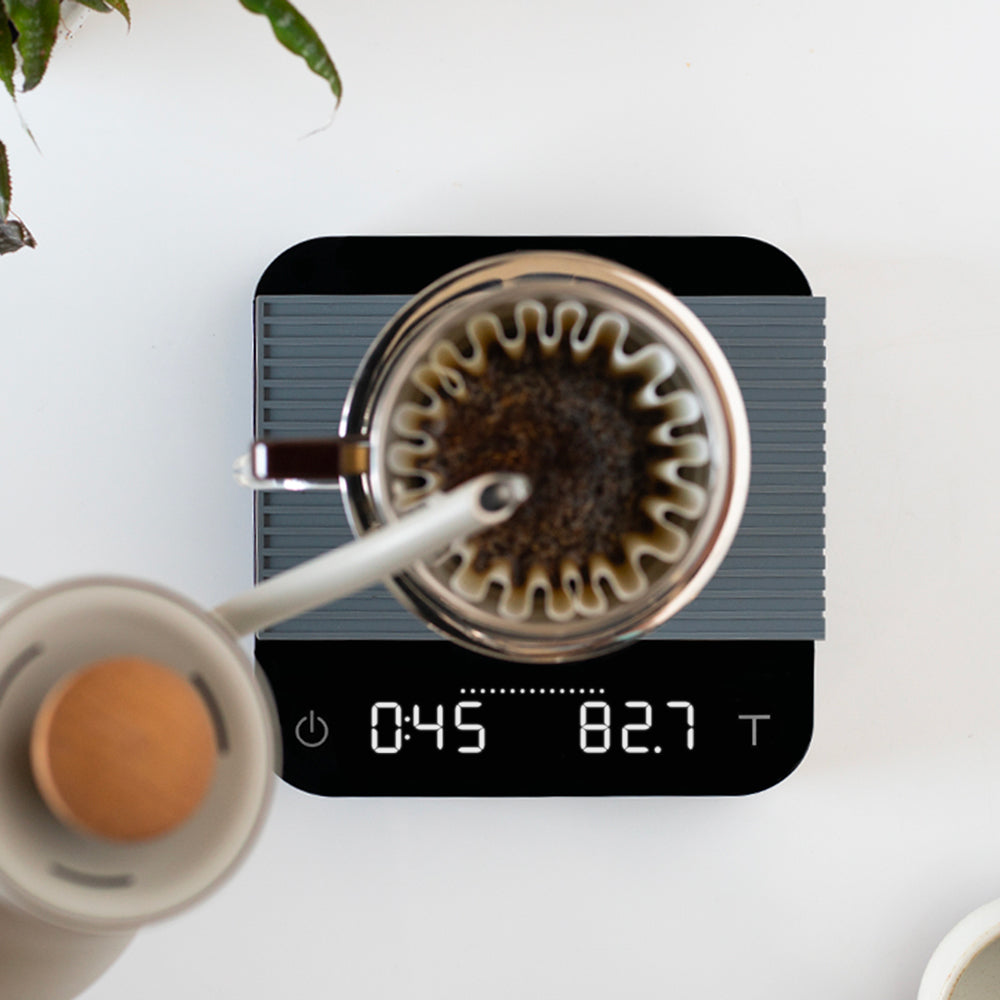
Use 15 to 20 g of coffee for 300 ml of water at 91 °C, with a medium grind, similar to powdered sugar. Place the V60 and its carafe on the scale, insert the filter, and rinse it with hot water to remove the paper taste and preheat the assembly, then pour out that water. Add the coffee, tare the scale, and start the timer when the first drop of water falls. Begin with the bloom: pour three times the weight of the coffee—60 g of water for every 20 g of coffee—and let the roasting gases escape for 45 seconds. Then pour in a spiral pattern until you reach 200 g, wait another 45 seconds, and then top it off to 300 g. The entire extraction should take between 3 minutes and 3 minutes and 30 seconds.
If the coffee tastes bitter, it’s over-extracted: coarsen the grind and lower the temperature by two or three degrees. If it’s too acidic or too weak, do the opposite: finer grind, hotter water, and a slightly larger dose. Only one variable never changes: the amount of water.

Certifié BIO
Café de spécialité
Récolté à la main
Sans intermédiaires
Biodynamie

FAQ

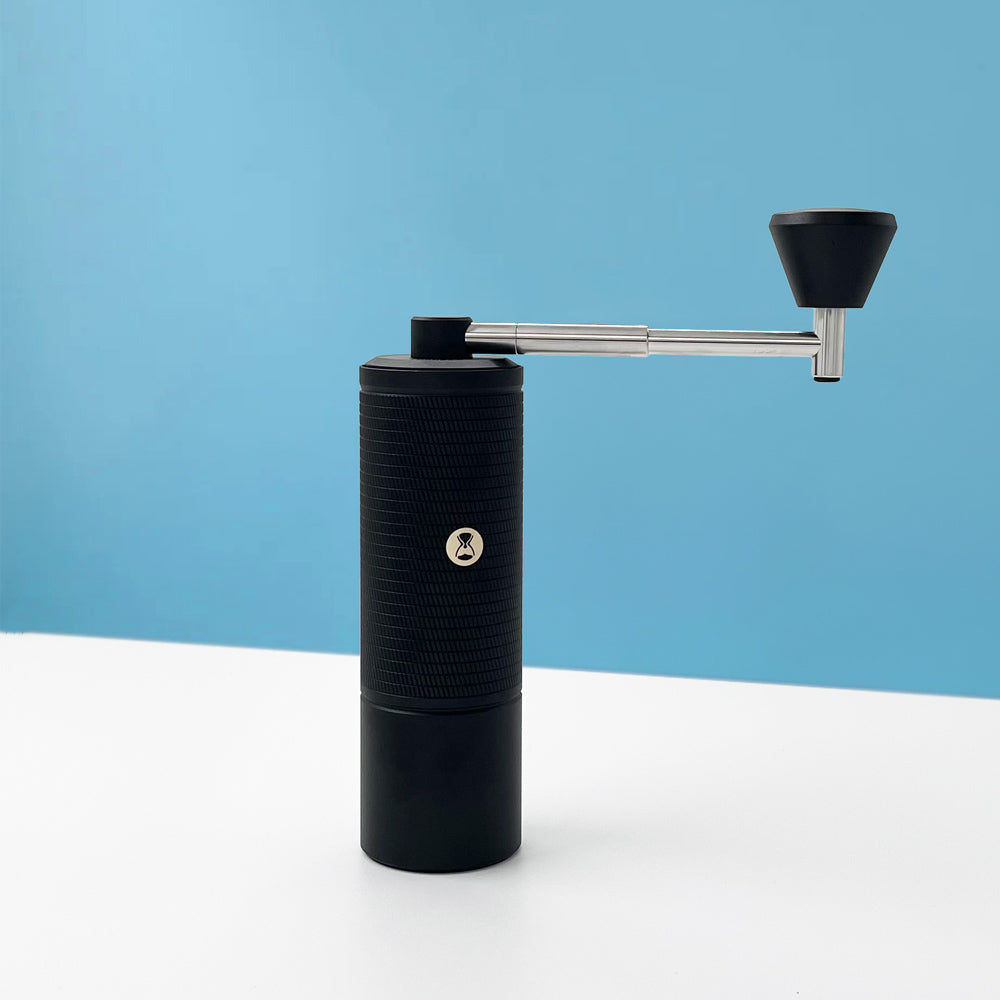
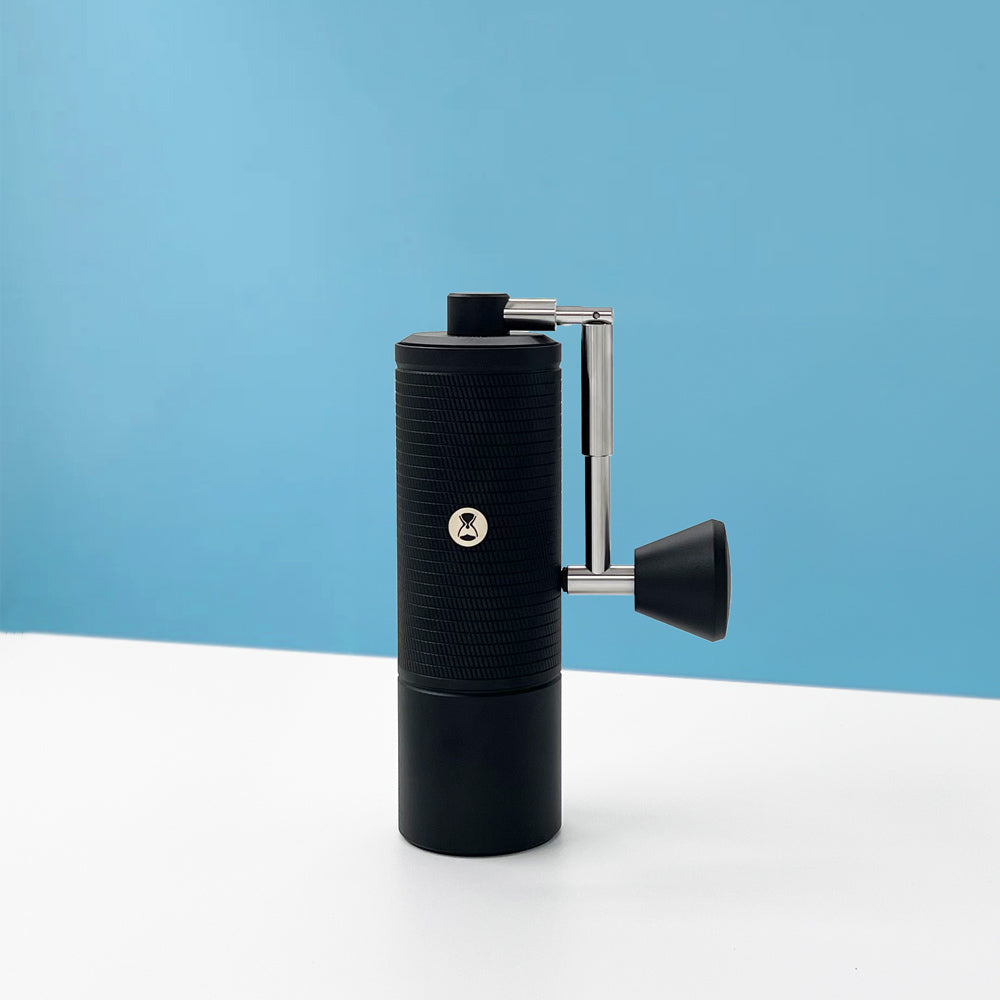
A medium grind, with the texture of powdered sugar. This is the most critical factor in the entire preparation: if it’s too fine, it clings to the filter and the brew takes forever, resulting in a bitter cup; if it’s too coarse, the water runs through too quickly without having time to extract the flavors, and the coffee tastes flat. A simple rule of thumb: if your extraction takes less than 2 minutes and 30 seconds, make the grind finer; if it takes more than 4 minutes, make it coarser. And always grind just before brewing—coffee ground the day before has already lost a good portion of its volatile aromas.

Yes, and this is probably the step that people most often skip and wrongly so. Freshly roasted coffee retains CO₂: when it comes into contact with hot water, it expands and releases these gases, which push the water away and create dry spots in the coffee bed. Blooming using three times the weight of the coffee in water and waiting 45 seconds allows this degassing to occur before the actual extraction begins. The result: water that flows through a uniform bed of coffee, and a significantly more balanced cup. The fresher your coffee, the more noticeable the difference.

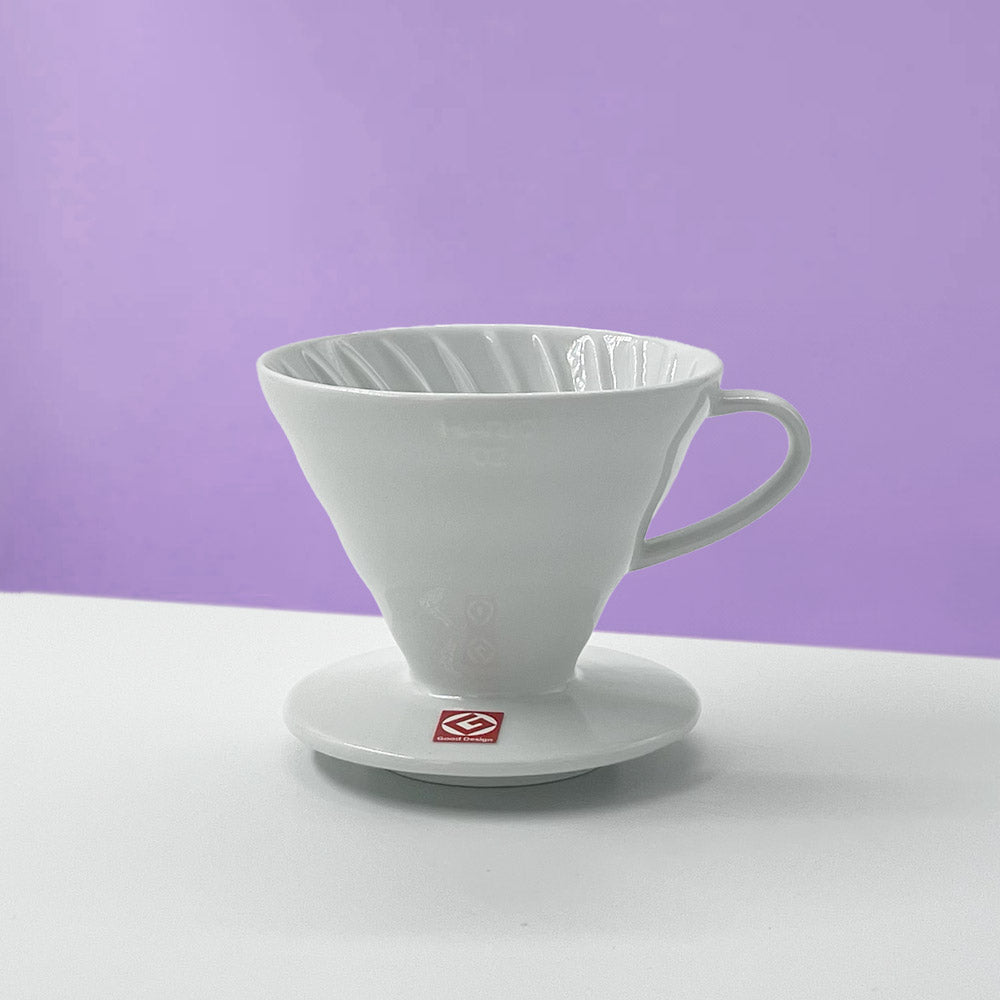
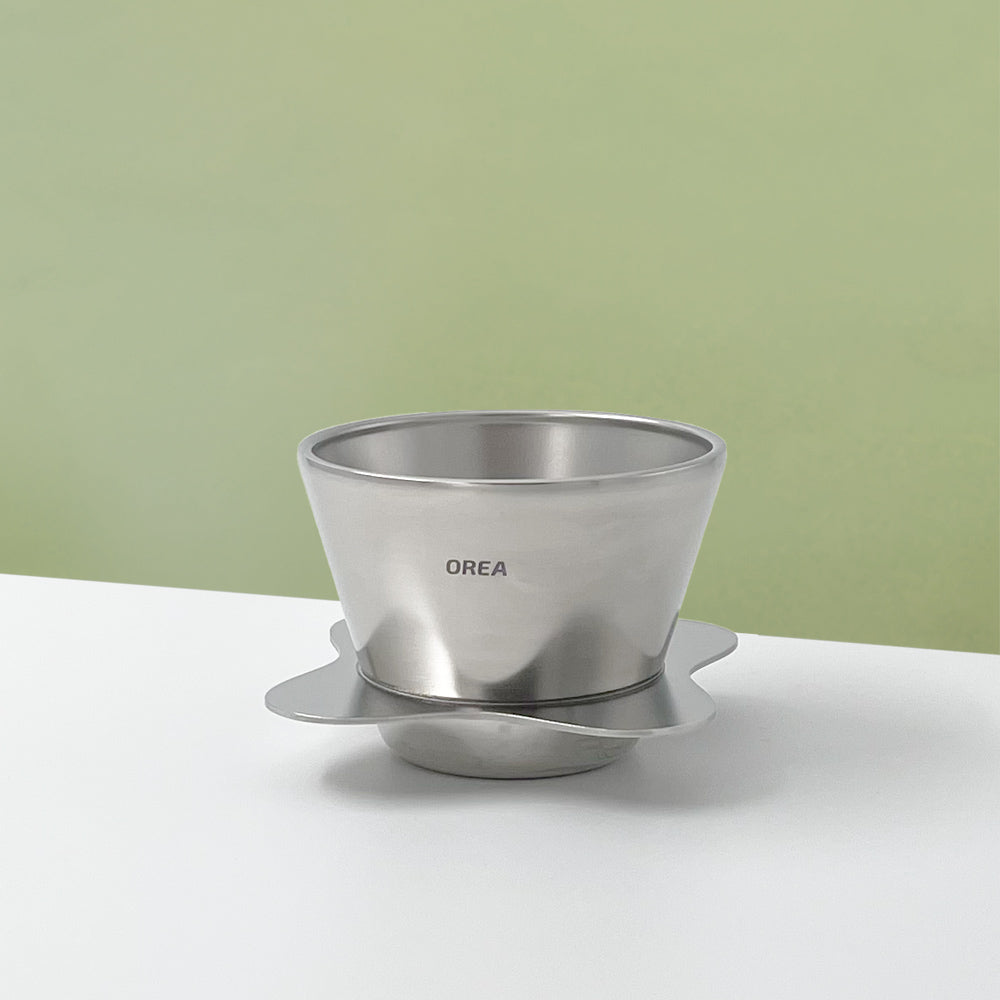
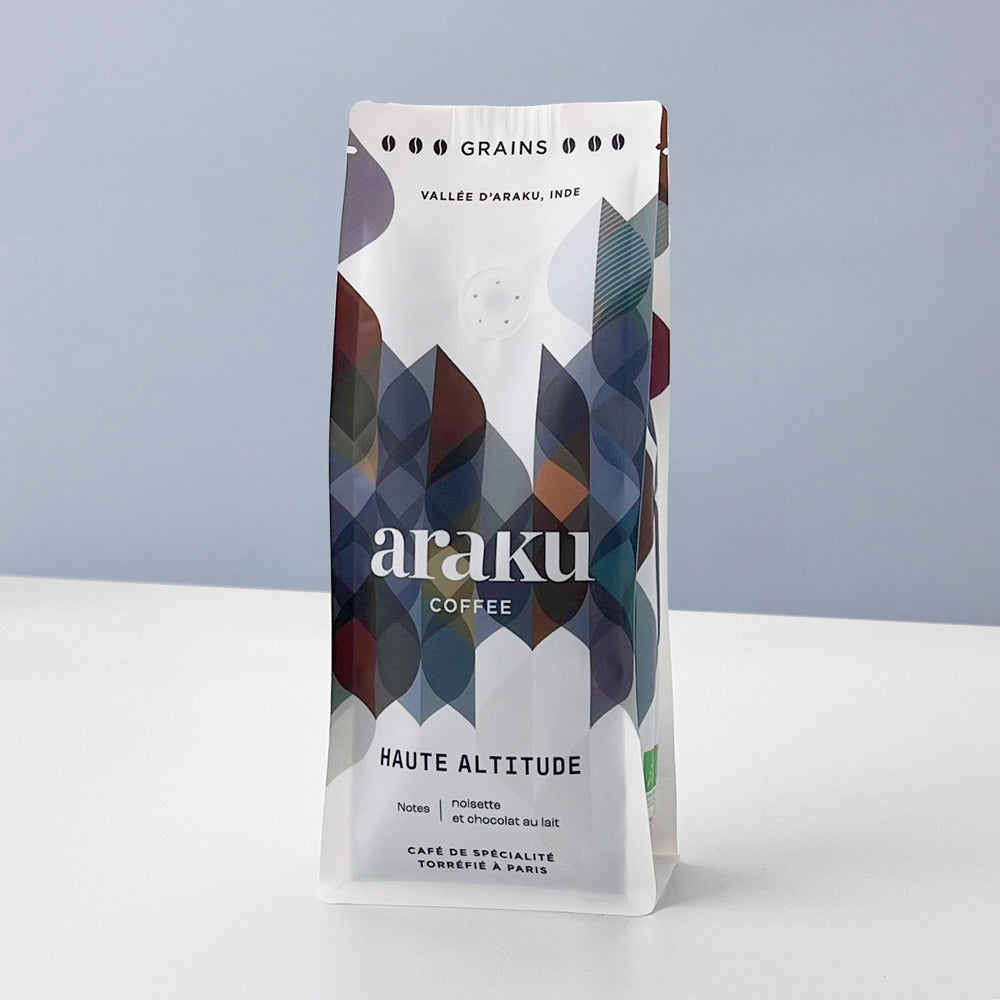
Two philosophies rather than two levels of quality. The V60’s cone accelerates the flow toward the central opening and highlights clarity and acidity: this is the method for floral and fruity profiles, the one that makes a High Altitude coffee particularly expressive. The flat bottom, as seen on the Orea O1, distributes water more evenly across the entire surface of the coffee and minimizes bypass zones: extraction becomes more consistent and the cup gains body, with results that are more reproducible from one day to the next. The cone rewards precision, while the flat bottom forgives imperfections. Many coffee enthusiasts end up with both on their shelves—it’s a trap we’re not entirely innocent of falling into.

Nos gammes de Cafés Bio

Café d'exception

Les cafés d'exception ARAKU incarnent l'excellence, il se distinguent par une qualité incomparable et des caractéristiques sensorielles remarquables.

Cafés de spécialité

Les cafés de spécialité obtiennent généralement des notes supérieures à 80 sur 100, et le café ARAKU obtient régulièrement des notes supérieures à 90.

Cafés pur Arabica

Les cafés de spécialité ARAKU sont exclusivement constitué de grains de la variété Arabica, reconnue comme la plus prisée et la plus appréciée à l'échelle mondiale.

Cafés Equitable

Les cafés de spécialité ARAKU sont équitables et respectent des normes de commerce éthiques qui assurent des conditions de travail justes et dignes pour les producteurs.

Cafés Indien

Les cafés indiens ARAKU proviennent d'une vallée en Inde. L'Inde se distingue par une culture du café de spécialité florissante qui en fait l'un des meilleurs du monde.

Cafés Grand cru

Les cafés Grand Cru sont des cafés d'exception. Ils sont sélectionnés avec soin dans des régions spécifiques, renommées pour leur culture de café de spécialité.

Café Bio

Les cafés biologiques sont cultivés dans le respect de pratiques agricoles qui préservent l'environnement et excluent l'usage de pesticides et d'engrais chimiques.

Capsules Home Compost

Les capsules biodegradables compatibles Nespresso Araku sont fabriquées uniquement à partir de matériaux organiques. Ce qui les rend entièrement compostable.